
Safety Car Seat Training
Why?
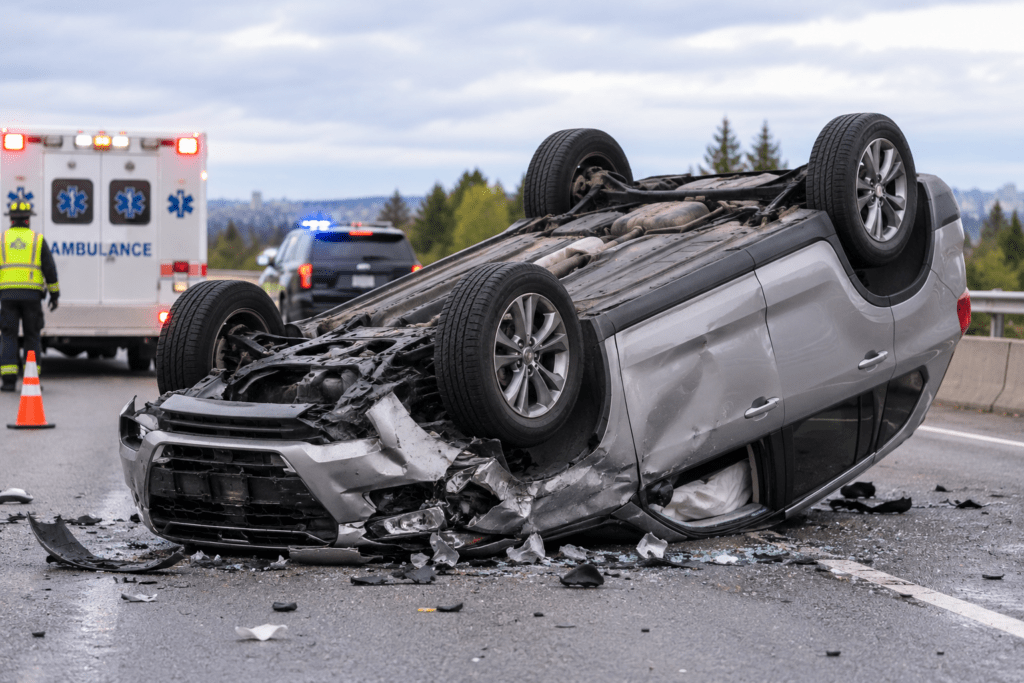
- Car Crashes are the leading cause of child deaths and injuries in Canada
- Car seats can reduce deaths by as much as 71% (Canadian Pediatric Society, 2009)
- Correct use of car seats and booster seats save lives
Alberta Law
- Drivers and passengers must use a set belt or car seat
- Drivers are responsible for passengers under 16 years old
- Car seats are needed for children under 6 who weighs less than 18 kg (40lbs)
- Seat bels or car seat must be used correctly.

Types of Car Seats
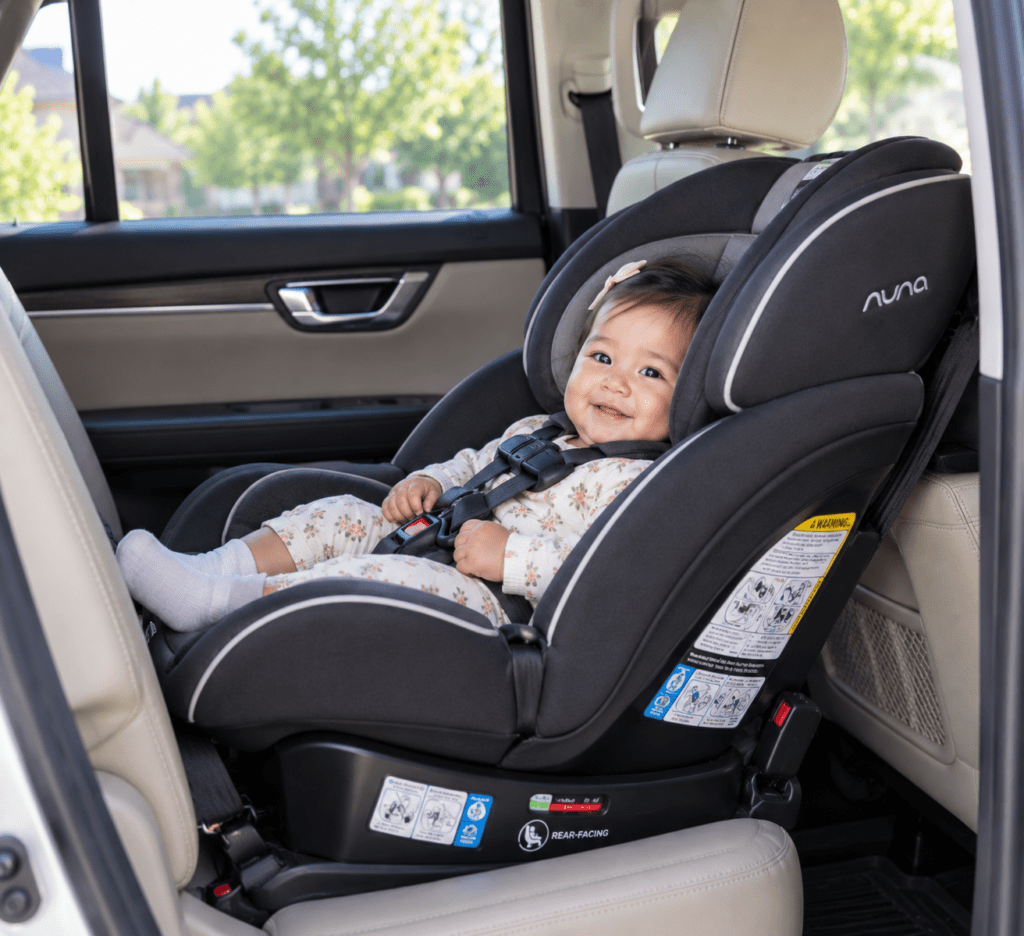
- Rear-facing
- Forward-facing
- Booster seat
- Seat belts
For your Car Seats:
- Check to see if it meets the Canada Motor Vehicle Safety Standards (CMVSS)
- Check for expiry date
- No reuse after an accident
- Not recommended to use second-hand seats
- Use seat belt or UAS, not both
- Check for recalls
Stage 1: Rear-Facing Car Seats
- Never in front of an airbag
- Keep your child rear-facing for as long as possible
- Use a car seat with higher rear-facing limits
- secure seat with the UAS or the seat belt, not both (unless stated by the manufacturer)
- Make sure the harness is snug
- Pinch test – if you can pinch the strap, it’s too loose.
- Rear-facing Car Seat handout


Stage 2: Forward-Facing Car Seats
- Until the car seat’s weight limit or height limit
- At least over 18 kg in weight
- Higher weight is okay, as long as you can, since it is much safer than a booster seat
- Use tether strap – pull it tight, less than 1 inch in any direction
- Forward-facing Car Seat handout
Stage 3: Booster Seats
- Always use a lap-shoulder seat belt with a booster seat
- Make sure the seat belt fits correctly
- Use a booster seat until your child is 145cm (4 feet 9 inches) tall or reaches the booster seat’s limits.
- Booster Car Seat handout


Moving to a Seat Belt 5 Step Test: Check all 5 boxes
- Child is at least 145 cm (4 feet 9 inches) tall
- Knees bend comfortably at edge of seat
- Lap belt stays low and snug on hips
- Shoulder belt crosses middle of chest
- They can sit like this for the whole trip
Car Seat Options by Stage


Resources
Car Seat Guidelines in Alberta / Canada
Visit My Health Alberta website, Government of Alberta website and Transport Canada to learn about car seat guidelines.
Car Seat Guidelines in multiple languages
Updated car seat guidelines in English, and many other languages such as Arabic, Dari, Farsi, French, Nepalese, Russian, Simplified Chinese, Somali, Swahili, Tigrinya, Ukrainian.
Child Passenger Safety Association of Canada (CPSAC)
Non-profit organization in Canada to offer education / resources.
Translated car seat safety resources in Amharic, Arabic, Asl, Burmese, Chinese, Dari, Farsi, French, German, Haitian, Hindi, Hmong, Japanese, Kinyarwanda, Korean, Malay, Mi’kmaq, Nepali, Pashto, Russian, Somali, Spanish, Swahili, Tagalog, Tigrinya, Ukrainian, Vietnamese, Wolastoqey.
Multi language videos in Arabic, Dari, English, Farsi, French, Mi’kmaq, Nepali, Mandarin, Russian, Somali, Swahili, Tigrinya, and Ukrainian
Car Seat Brand specific information
Contact the car seat manufacturer or your vehicle manufacturer
Health Link Alberta 811
Health Link Alberta 811 is available 24/7, free with interpretation in over 240 languages.
Disclaimer: This material is not a substitute for the advice of a qualified health professional. This material is intended for general information only and is provided on an “as is”, “where is” basis. Although reasonable efforts were made to confirm the accuracy of the information, Alberta Health Services does not make any representation or warranty, express, implied or statutory, as to the accuracy, reliability, completeness, applicability or fitness for a particular purpose of such information. Alberta Health Services expressly disclaims all liability for the use of these materials, and for any claims, actions, demands or suits arising from such use. Last Updated July 2026.